Why Dance Boosts Childhood Development
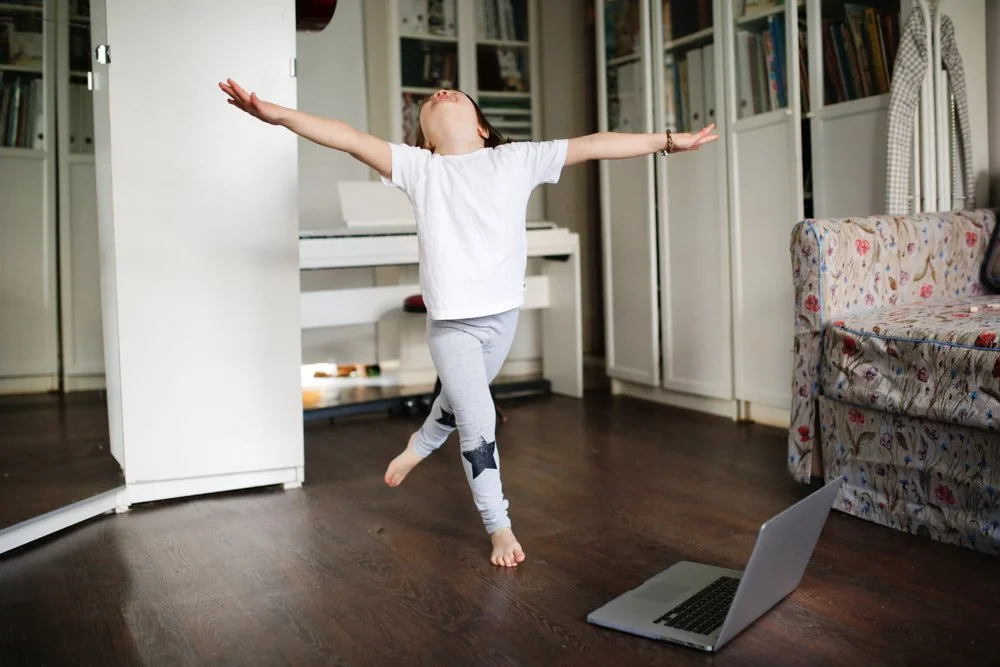
Dance is more than a fun pastime or a way to burn energy. For children, it serves as a critical tool in their early developmental journey. From the first bounce of a baby to the rhythm of music to the complex choreography of a young dancer, movement is a language children use to understand their world. When looking at childhood development through dance, we uncover how rhythmic movement intertwines with the milestones that shape a child's cognitive, emotional, and physical capabilities.
In the early years, children are natural movers. Dance leverages this instinct, transforming it into a structured form of expression that promotes balance, motor skills, coordination, and body awareness. Unlike other physical activities, dance stimulates both the brain and body simultaneously. This dual engagement helps develop neural pathways crucial for learning, memory, and decision-making. Movement tied to rhythm also supports pattern recognition, an essential component in early math and language acquisition.
Introducing children to dance at a young age ensures they are engaging their senses, interacting socially, and practicing self-regulation. These aspects form a strong developmental foundation that benefits them across every aspect of life. Through consistent practice and participation, dance becomes an immersive, enriching experience that subtly guides a child’s growth without feeling like a lesson or task.
Emotional Expression Through Movement
One of the most profound benefits of dance for children is the opportunity for emotional expression. In early childhood, verbal communication skills are still forming, which often leads to frustration when children cannot adequately express how they feel. Dance offers an alternative, nonverbal outlet that allows emotions to surface naturally. Through movement, children can explore happiness, sadness, excitement, anger, and more in a safe, creative space.
Emotional awareness and intelligence begin to develop the moment a child starts recognizing their feelings and finding healthy ways to express them. Dance encourages this emotional literacy by letting children move in response to music, emotions, and stories. This is particularly important for shy or introverted children, who may not feel comfortable expressing themselves in words. When these children are given the freedom to interpret music through movement, they build confidence and emotional resilience.
Moreover, group dance activities foster empathy and cooperation. When children observe each other’s movements and respond collaboratively, they begin to understand different perspectives and learn how to work as part of a team. These interactions contribute directly to emotional development and help children learn vital interpersonal skills they will use throughout their lives.
Physical and Cognitive Growth Interconnected
The physical and emotional benefits of dance are closely tied to its impact on cognitive growth. As children learn choreography, follow instructions, and respond to rhythmic cues, they enhance their memory, attention span, and sequencing abilities. These cognitive tasks are vital during early childhood, a time when the brain is developing rapidly and forming lifelong connections.
Dance classes often incorporate repetition, which strengthens memory and reinforces learning. Repeating a sequence of steps or a routine requires a child to recall information, practice it, and eventually master it. This cycle of learning mirrors academic tasks such as reading, writing, and solving problems. In this way, dance becomes an effective form of active learning, combining mental challenge with physical activity.
Physically, children develop strength, flexibility, endurance, and spatial awareness. Fine and gross motor skills are sharpened through complex movements and coordination drills. These physical improvements contribute directly to better posture, balance, and overall health. When considering how dance helps child development, this connection between the physical body and the cognitive mind is a powerful example of holistic growth.
Building Confidence and Social Skills
Dance is also a powerful vehicle for building self-esteem and social awareness. From a very young age, children thrive on positive reinforcement and the sense of achievement that comes with learning a new skill. Dance provides a consistent stream of these opportunities. Every step mastered, every routine performed, gives a child a sense of accomplishment and pride in their ability.
Children in dance classes are often required to perform in front of others, whether it be classmates, parents, or a broader audience. These experiences, while challenging, gradually reduce fear and anxiety related to public speaking or performing. They teach children to be comfortable in their own skin and to present themselves with confidence.
Socially, dance classes serve as an ideal environment for making friends and learning to navigate group dynamics. Children must cooperate, take turns, and follow group instructions, all while expressing their individuality through movement. These lessons extend far beyond the studio, influencing how children interact with peers at school, at home, and in community settings.
As an extracurricular activity for child development, dance blends structure with creativity, ensuring children are not only building skills but also developing social and emotional maturity. This unique combination makes it one of the most effective tools for early education and character development.
Dance as a Lifelong Influence
The positive effects of dance in early childhood do not fade as children grow older. Instead, they often set the stage for a lifelong appreciation of the arts, fitness, and personal expression. Children who dance regularly develop a relationship with their bodies that includes respect, awareness, and care. This reduces the likelihood of body image issues and promotes healthy habits.
As children move into their teenage years and beyond, the discipline and work ethic gained through dance continue to serve them. Whether they pursue dance seriously or shift their focus to academics or other activities, the values of perseverance, focus, and resilience remain deeply embedded. The benefits of dance for children ripple through every stage of development and often influence academic achievement, creativity, and emotional well-being well into adulthood.
In many cases, dance also becomes a bridge between cultures, exposing children to global traditions and diverse expressions of art. This exposure cultivates openness and curiosity, important traits for navigating a multicultural world. Dance connects the past and present, the individual and the collective, the emotional and the intellectual. It is a microcosm of the larger life journey, packaged in joy and rhythm.
Conclusion
Childhood development through dance is a rich, multidimensional process that nurtures every aspect of a child’s growth. From emotional expression and physical strength to cognitive ability and social confidence, dance delivers unparalleled developmental benefits. It engages the body and mind in harmony, offering children a joyful path to becoming well-rounded, capable individuals.
In a world where children are increasingly exposed to passive entertainment and digital distractions, dance stands out as an active, immersive experience that demands participation, focus, and creativity. For parents and educators seeking impactful extracurricular activities for child development, dance remains a top choice. It is more than movement to music: it is a catalyst for lifelong learning, health, and happiness.
Need Top-Rated Dance Classes Near You?
We would love to welcome your child into our fun and encouraging community, so reach out to us today to learn more about our Twinkle Babies, Twinkle Stars, and youth dance programs, and let us help your dancer build confidence, strength, and self-expression as they discover the joy of movement at a Twinkle Star Method studio near you.
