The Impact of Dance on Fine Motor Skills in Children
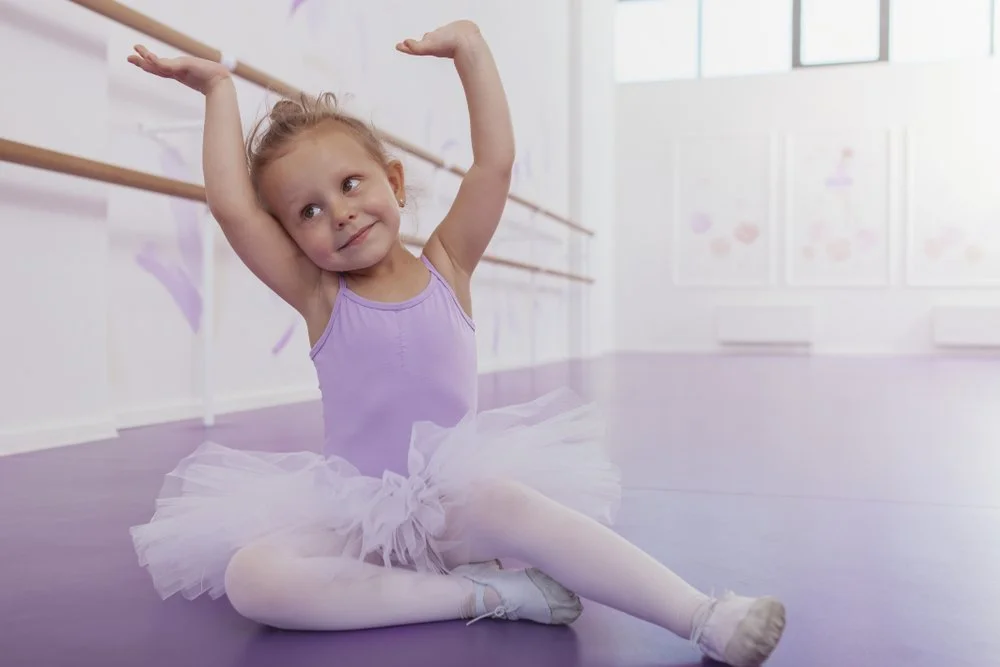
Dance is often celebrated as a joyful expression of creativity, emotion, and culture. For children, it provides far more than just entertainment. Dance engages the entire body and mind, requiring coordination, balance, and precision. This makes it a powerful tool in childhood development, particularly when it comes to refining fine motor skills. While gross motor skills involve larger movements of the arms, legs, and torso, fine motor skills refer to smaller, more precise actions, typically involving the hands and fingers. These are essential for everyday tasks like writing, buttoning a shirt, or using utensils. The relationship between dance and motor skills is one that is increasingly acknowledged by educators, therapists, and parents alike.
In this blog post, we will explore how dance contributes to the development of fine motor skills in children, why these skills are critical, and how different forms of dance uniquely enhance these abilities. The integration of movement, rhythm, and structure in dance provides an engaging platform to support physical, cognitive, and emotional growth. Let’s dive into the many ways dance helps shape a child’s motor abilities.
Understanding Fine Motor Skills and Why They Matter
Fine motor skills are essential for children as they grow and begin to interact more intricately with their environment. These skills involve the coordination of small muscles, particularly in the hands and fingers, working in harmony with the eyes. From holding a crayon to tying shoelaces, fine motor abilities influence a child’s independence, academic success, and social participation.
Early childhood is a crucial period for the development of these skills. Activities that encourage the use of the hands and fingers help strengthen neural connections in the brain related to motor planning and control. Often, these skills are developed through tasks like building blocks, drawing, or puzzles. However, dance introduces a dynamic, rhythmic, and full-body alternative that stimulates motor development in an integrated and enjoyable way.
Dance uniquely contributes to this growth by combining motion with music, memory, and spatial awareness. Movements in dance often require a series of coordinated gestures that improve dexterity and control. Even seemingly simple movements such as clapping, pointing, or flicking the fingers to a beat can significantly enhance fine motor proficiency when practiced regularly and systematically.
How Dance Supports the Development of Motor Precision
One of the most direct connections between dance and motor skills lies in the way dance demands precision. Choreographed routines often involve intricate hand gestures, controlled movements of the fingers, and carefully timed actions that require acute spatial and temporal awareness. These tasks naturally engage and refine fine motor skills.
For instance, classical dance forms like ballet or Bharatanatyam require dancers to move their hands in specific, stylized ways that express stories or emotions. These gestures, known as "mudras" in Indian classical dance, demand high levels of hand and finger control. As children learn these movements, they improve their fine motor coordination while also developing cognitive flexibility and discipline.
Even in more contemporary dance forms, children are asked to perform repetitive sequences that involve small, deliberate movements. Finger snaps, hand waves, and body isolations all engage the muscles responsible for refined motor actions. Over time, these repeated motions enhance muscle memory and control, resulting in better handwriting, drawing, and other manual tasks.
Furthermore, the musical component of dance helps with timing and rhythm, which are essential for fluid and coordinated movement. The synchronization of movement to music enhances a child's ability to regulate their actions, contributing to the mastery of fine motor tasks that require precise timing.
The Cognitive Link Between Dance and Motor Skill Development
Dance not only involves physical movement but also engages a child’s brain in complex ways. The mental processes required to learn and remember dance routines support cognitive development, particularly in areas related to sequencing, attention, and memory. These cognitive skills are closely linked to the development of fine motor control.
When a child learns a dance routine, they are required to process multiple pieces of information at once: the sequence of steps, the beat of the music, spatial positioning, and coordination of their limbs. This multitasking strengthens the neural pathways that support both fine and gross motor planning. The ability to mentally visualize a sequence of small movements and then execute them enhances both motor control and executive functioning.
Research in developmental psychology and occupational therapy has shown that motor skills and cognitive skills develop in tandem. Activities like dance, which simultaneously stimulate both systems, can accelerate the development of fine motor coordination. The improvisational aspect of dance also allows children to explore different movement patterns, making them more adaptable and confident in their motor abilities.
Additionally, learning dance in a group setting fosters social interaction, encouraging imitation and peer modeling, both of which are essential for young children developing new skills. Through watching and mirroring others, children improve their own motor execution while strengthening social and emotional intelligence.
Dance as a Therapeutic Tool for Children With Motor Delays
Dance has been widely adopted in therapeutic settings to help children who struggle with motor coordination, such as those with developmental delays, autism spectrum disorder (ASD), or attention-deficit/hyperactivity disorder (ADHD). The structured yet expressive nature of dance makes it an ideal modality for therapy aimed at improving fine motor skills.
Dance therapy focuses on body awareness, rhythm, and controlled movement, all of which are crucial for motor skill development. Children participating in dance therapy often show improvement in areas such as finger dexterity, bilateral coordination, and hand strength. These gains extend beyond the studio, supporting greater success in classroom activities and daily routines.
Additionally, the sensory-rich environment of a dance class can be particularly beneficial for children with sensory integration challenges. The combination of auditory (music), visual (mirror feedback), and tactile (movement) input helps these children process sensory information more effectively. As their nervous systems become better regulated, they are more able to develop and refine motor control.
Therapists and educators frequently observe that dance helps build self-esteem and emotional resilience in children. These psychological benefits can further support motor development, as children who feel confident are more willing to attempt new movements and persist through challenges.
Implementing Dance in Educational and Home Environments
Recognizing the strong relationship between dance and motor skills, many schools and early education centers are incorporating dance into their curriculum. Movement-based learning has been shown to improve not only motor outcomes but also academic achievement and classroom behavior. Introducing dance in schools provides a holistic approach to education that nurtures physical, emotional, and intellectual development.
At home, parents can also integrate dance into daily routines. Simple activities such as dancing to favorite songs, mimicking hand movements from videos, or creating small routines for children to perform can have a significant impact on motor development. These informal dance sessions are not only effective but also foster bonding and joy.
To be most effective, dance activities should be age-appropriate and progressive in complexity. Starting with simple finger and hand movements for toddlers, and gradually introducing more coordinated routines for older children, helps ensure continuous motor development. Encouraging creativity and self-expression through movement can also motivate children to engage more fully, leading to better developmental outcomes.
Dance does not require expensive equipment or large spaces, making it accessible to a wide range of families and communities. With just a little music and enthusiasm, children can experience the motor benefits of dance in nearly any setting.
Conclusion
The connection between dance and motor skills, especially fine motor development, is a compelling reason to consider dance as a valuable part of a child’s upbringing. Through its unique combination of rhythm, movement, and expression, dance offers a fun and effective way to enhance small muscle coordination, spatial awareness, and cognitive function.
From learning complex hand gestures in cultural dances to engaging in spontaneous living room dance parties, children gain not only physical strength but also confidence, focus, and emotional resilience. These gains carry over into schoolwork, social interaction, and everyday life, making dance an essential and enriching activity for growing minds and bodies.
By integrating dance into both educational and home environments, we can provide children with the tools they need to flourish in all aspects of their development. Whether used as a daily activity, a form of therapy, or simply a joyful expression of movement, dance can play a pivotal role in shaping a child’s fine motor skills and overall well-being.
Need Top-Rated Dance Classes Near You?
We would love to welcome your child into our fun and encouraging community, so reach out to us today to learn more about our Twinkle Babies, Twinkle Stars, and youth dance programs, and let us help your dancer build confidence, strength, and self-expression as they discover the joy of movement at a Twinkle Star Method studio near you.
