
How to Support Your Young Dancer at Home
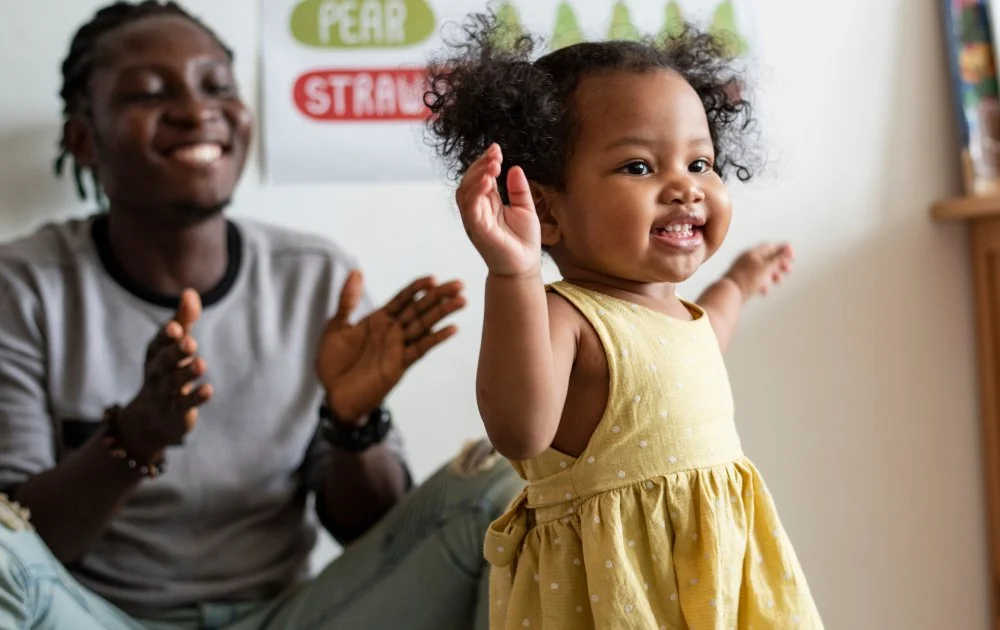
Raising a child who is passionate about dance can be a rewarding experience for any parent. Whether your child is just starting out in a beginner dance class or already dreams of becoming a professional, your involvement at home plays a critical role in their development. Understanding how to support a young dancer is more than just driving them to class or buying the right gear. It's about cultivating an environment where they can thrive, grow, and build confidence.
At home, your encouragement, patience, and guidance become the foundation for their dance journey. Children who feel supported by their parents often show greater enthusiasm and resilience in pursuing their passions. When it comes to helping children succeed in dance, small actions and consistent routines can make a huge impact. You do not need to be a dance expert to make a difference. With the right mindset and a little creativity, you can build a nurturing space that motivates and inspires your young performer.
The Importance of Routine in Dance Practice at Home for Kids
A consistent practice routine is one of the most important factors in helping your child progress. Many children attend one or two classes a week, but real improvement often comes from dance practice at home for kids. Establishing a routine doesn’t mean turning your home into a full dance studio. It simply involves setting aside dedicated time each week for your child to stretch, review choreography, or explore new moves.
Creating structure can help your child view practice as a fun and regular part of their schedule, not a chore. A short 20 to 30-minute session a few times a week can be enough to reinforce what they learned in class. Choose a safe space in your home with enough room for movement and a mirror if possible. Offer to play their favorite practice music, watch them perform, or even dance along. Your involvement, even in small ways, shows your child that their passion is valuable.
Another key part of home practice is goal setting. Talk with your child about what they are working on and help them identify small, achievable goals. These could include mastering a particular turn, improving flexibility, or memorizing a routine. Celebrate their progress and remind them that consistent effort leads to growth, not just talent.
Encouraging Confidence in Dance Class
Confidence is crucial for young dancers. A child who feels unsure or fearful in class may hesitate to participate, struggle with performance anxiety, or avoid trying new things. Encouraging kids in dance class starts at home with positive reinforcement and open conversations.
When your child talks about their dance experiences, listen without judgment. Whether they’re excited about a new move or frustrated by a challenge, your reaction shapes how they internalize those moments. Avoid focusing on perfection or comparing them to others. Instead, highlight their unique strengths, effort, and personal improvement.
You can also support their confidence by showing interest in what they do. Ask them to teach you something they learned in class, or attend studio performances when possible. Praise their dedication and bravery in trying something new. Remind them that mistakes are a natural part of learning, and encourage a growth mindset where effort is valued over immediate success.
If your child is shy or nervous in class, talk to their instructor about how you can work together to make them feel more comfortable. Sometimes a little extra attention, encouragement, or a familiar face in the studio can help them feel more secure.
Making Dance Activities for Kids at Home Fun and Creative
Dance should always be fun, especially for younger children. Integrating creative dance activities for kids at home can transform practice into an enjoyable experience. This doesn’t have to be complicated or time-consuming. Think of activities that engage your child’s imagination, allow for self-expression, and help build essential dance skills.
For example, try setting up dance storytelling where your child creates movements to represent parts of a story. You can also use obstacle courses, themed dance challenges, or follow-the-leader games that get them moving in different ways. Using props like scarves, hats, or ribbons can inspire creativity and add excitement.
Incorporating music from your child’s favorite shows or movies can also make dance time more engaging. Let them choose a song and choreograph their own short routine. Record their performance and watch it together to talk about what they enjoyed and what they might want to try next time.
These playful activities keep dance feeling fresh and encourage experimentation. They also allow your child to develop a sense of ownership over their dance practice, which helps build confidence and personal expression.
Providing Emotional and Practical Parent Support for Young Dancers
Being a dance parent means wearing many hats. You are not only a chauffeur and financial supporter but also a cheerleader, coach, and emotional anchor. Offering meaningful parent support for young dancers requires both practical and emotional involvement.
On the practical side, ensure your child has the supplies they need, arrives on time to classes, and has adequate rest and nutrition. Dance can be physically demanding, and your role in maintaining a healthy routine is vital. Communicate regularly with their teachers to stay informed about class goals, recital dates, or any challenges that arise.
Emotionally, your support matters just as much. Dance can be filled with highs and lows. Your child might be thrilled after a successful performance one day, and discouraged after a tough class the next. Show them that your support is unconditional and not based on performance alone. Offer hugs after hard days, talk about resilience, and remind them of their love for dance.
It’s also important to teach balance. While commitment is essential, kids need time to rest, pursue other interests, and just be kids. Be mindful of signs of burnout, and check in with your child often about how they feel. Allowing them space to express their feelings ensures that their passion for dance remains joyful and sustainable.
Conclusion
Supporting a young dancer at home is a deeply rewarding journey that blends encouragement, structure, and creativity. As a parent, you are in a unique position to shape not only your child’s dance skills but also their emotional resilience, confidence, and love for movement.
By integrating regular dance practice at home for kids, engaging in creative activities, and offering consistent emotional support, you lay the groundwork for long-term success. Helping children succeed in dance is not about pushing them to be perfect, but about walking beside them as they discover their strengths and face challenges with courage.
Encouraging kids in dance class begins with showing them they are seen and valued, no matter their level or performance. When you create a positive environment filled with praise, patience, and playful exploration, your child will feel empowered to pursue their passion with joy and purpose. With your guidance and belief in them, your young dancer will not only grow in skill but flourish in spirit.
Need Top-Rated Dance Classes Near You?
We would love to welcome your child into our fun and encouraging community, so reach out to us today to learn more about our Twinkle Babies, Twinkle Stars, and youth dance programs, and let us help your dancer build confidence, strength, and self-expression as they discover the joy of movement at a Twinkle Star Method studio near you.
