The Physical Benefits of Dance Class for Children, Such as Improved Coordination, Strength, and Flexibility
Dance is more than just a fun after-school activity or a creative outlet for children. When kids participate in a regular dance class, they gain access to a world of physical development that can help set them up for lifelong health and confidence. While the joy of movement and self-expression is a huge draw, it is the physical benefits that often surprise parents and educators alike. Enrolling children in dance studios at an early age fosters critical physical skills such as coordination, strength, and flexibility. These foundational attributes play a vital role in a child’s growth, athletic abilities, and overall well-being.
As more families turn to dance class as a positive and enriching activity, understanding the specific physical advantages it brings becomes essential. Let’s explore how dance enhances the body in ways that go far beyond the studio.
Developing Coordination Through Structured Movement
One of the first noticeable changes in children who begin attending dance class is an improvement in coordination. This essential motor skill allows the body to move with precision and efficiency, whether it's mastering a pirouette or simply walking down stairs with balance and control. Unlike many other childhood activities, dance combines music with specific movement patterns, requiring young dancers to synchronize their steps, arms, and head movements while keeping time with rhythm. This multi-sensory experience engages different parts of the brain and encourages neuromuscular connections that improve physical control.
In many dance studios, beginner classes are designed to introduce young children to rhythm through playful, age-appropriate exercises. They may be asked to mimic a teacher's movement or perform short sequences of steps in time to music. Through repetition and musical awareness, children gradually learn how to control their bodies with greater accuracy. Over time, this refined coordination benefits not just dance performance, but everyday activities such as handwriting, sports, and general physical independence.
Children who experience improved coordination often display more confidence in their movements, which directly supports their self-esteem. As their skills advance in dance class, they become more in tune with their bodies, increasing spatial awareness and reducing the likelihood of injury during physical activity.
Building Strength in a Creative Environment
Strength might not be the first thing that comes to mind when people think of dance, but it is an essential component of every performance. Dancers rely on core strength to maintain posture, leg strength to perform leaps and jumps, and upper body strength for arm movements and balance. The repetitive nature of practicing routines, holding poses, and refining technique contributes to muscular development in a way that feels enjoyable and purposeful for kids.
Unlike traditional sports or gym workouts, dance studios provide a strength-building environment that doesn't feel like exercise. Children are engaged through music, storytelling, and group interaction, which motivates them to push their physical limits without resistance or boredom. Ballet, for example, helps children build muscle control through slow, deliberate movement, while jazz and hip-hop introduce more explosive power and dynamic strength exercises.
Even young children begin to develop better posture, alignment, and core stability after just a few months in dance class. This foundational strength not only supports healthy growth but also contributes to better balance and endurance. Whether they're leaping across the floor or executing controlled turns, kids who dance consistently show remarkable improvements in muscle tone and body awareness.
Enhancing Flexibility for Injury Prevention and Agility
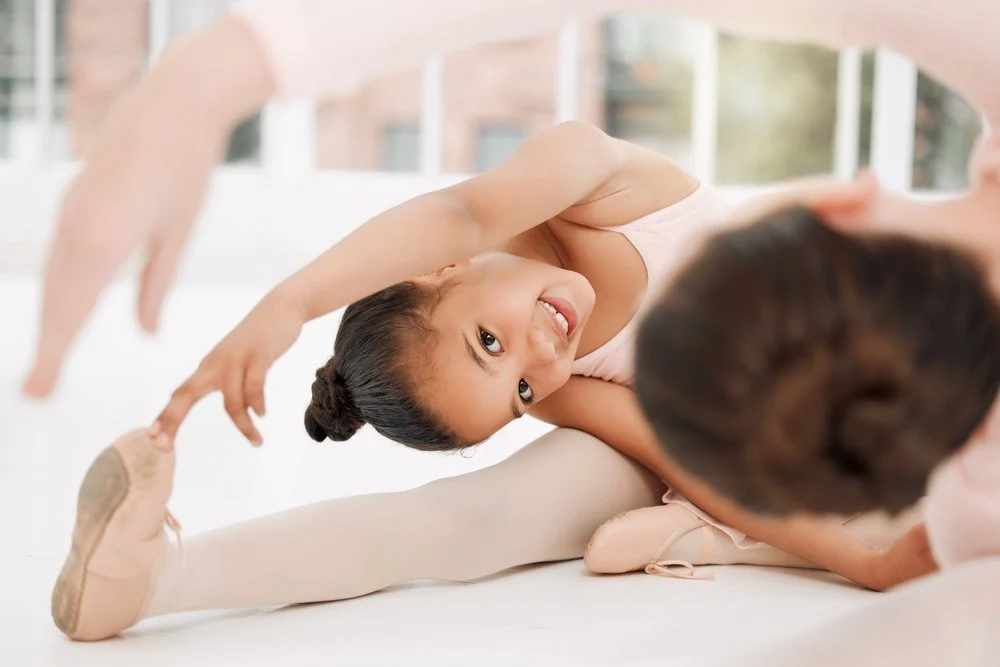
Flexibility is another critical benefit of participating in regular dance class. Children are naturally more flexible than adults, and dance provides a structured way to maintain and develop this advantage. Stretching exercises are built into every session, whether it's a ballet warm-up or a contemporary dance routine. These stretches help lengthen muscles, improve joint mobility, and increase range of motion.
Flexibility doesn't just improve the aesthetics of dance movements; it also plays a significant role in injury prevention. Kids who develop better flexibility are less likely to experience muscle strains, joint stiffness, or overuse injuries as they grow. This is particularly important for children who participate in multiple physical activities or sports. A dancer's supple muscles and limber joints make it easier to adapt to new movement challenges, from sprinting across a soccer field to climbing playground structures.
In addition, flexibility promotes better posture and reduces physical tension, both of which are important for children who are still developing their musculoskeletal systems. Over time, this increased mobility supports smoother, more fluid movement patterns in everyday life and encourages a love for physical activity that can last a lifetime.
Supporting Healthy Habits and Physical Endurance
Incorporating dance class into a child’s routine builds more than just individual skills; it promotes an overall lifestyle of movement and vitality. As dance studios encourage regular attendance and participation, children develop the habit of staying active. This routine builds cardiovascular endurance, stamina, and an appreciation for regular exercise in a way that doesn’t feel forced.
Physical endurance, or the ability to maintain effort over extended periods, is developed naturally through longer routines and repeated practice. Young dancers must learn how to keep their energy levels consistent throughout a performance or rehearsal, gradually strengthening their lungs, heart, and circulatory systems. The result is improved overall fitness, including better energy regulation throughout the day.
Additionally, dance introduces children to the discipline of preparation, stretching, and cooldowns, which are essential components of any physical routine. These habits often carry over into other areas of life, helping kids understand how to care for their bodies and listen to their physical needs. Dance becomes more than an art form; it transforms into a foundation for lifelong wellness.
Fostering Body Awareness and Confidence Through Movement
Perhaps one of the most understated yet profound physical benefits of dance is the way it nurtures body awareness. Children learn to move deliberately, understanding how each part of their body contributes to movement. This awareness helps prevent clumsiness, boosts coordination, and builds confidence in physical capabilities. In dance studios, instructors often use mirrors, verbal cues, and tactile feedback to help children connect with their bodies and improve technique.
Body awareness is crucial for both physical and emotional development. Children who know how to move with control and intention often feel more empowered and grounded in their physical selves. This empowerment becomes especially valuable as they face the social and emotional challenges of adolescence. Feeling confident in their movement helps children walk taller, take pride in their abilities, and express themselves more freely.
Dance class offers a safe and structured space where kids are encouraged to explore their physical limits, take creative risks, and celebrate their progress. This environment cultivates not only physical skills but also a deep sense of self-worth and pride in accomplishment.
Conclusion
The physical benefits of enrolling children in dance class extend far beyond the studio walls. From refined coordination and increased strength to enhanced flexibility and body awareness, dance lays the groundwork for a healthy and active life. Through engaging classes and inspiring instruction, dance studios help children develop critical motor skills while instilling habits of discipline, confidence, and joy in movement.
As children grow and explore their potential, the foundation built in dance class supports not only their physical growth but their emotional and social development as well. In a world where screen time often outweighs active play, dance offers a joyful and powerful way to move, express, and thrive. Whether your child dreams of performing on stage or simply loves to move to music, dance is a gift that nurtures their body and spirit for years to come.
Need Top-Rated Dance Classes Near You?
We would love to welcome your child into our fun and encouraging community, so reach out to us today to learn more about our Twinkle Babies, Twinkle Stars, and youth dance programs, and let us help your dancer build confidence, strength, and self-expression as they discover the joy of movement at a Twinkle Star Method studio near you.
