
The Physical Benefits of Ballet: How it Can Improve Strength and Flexibility
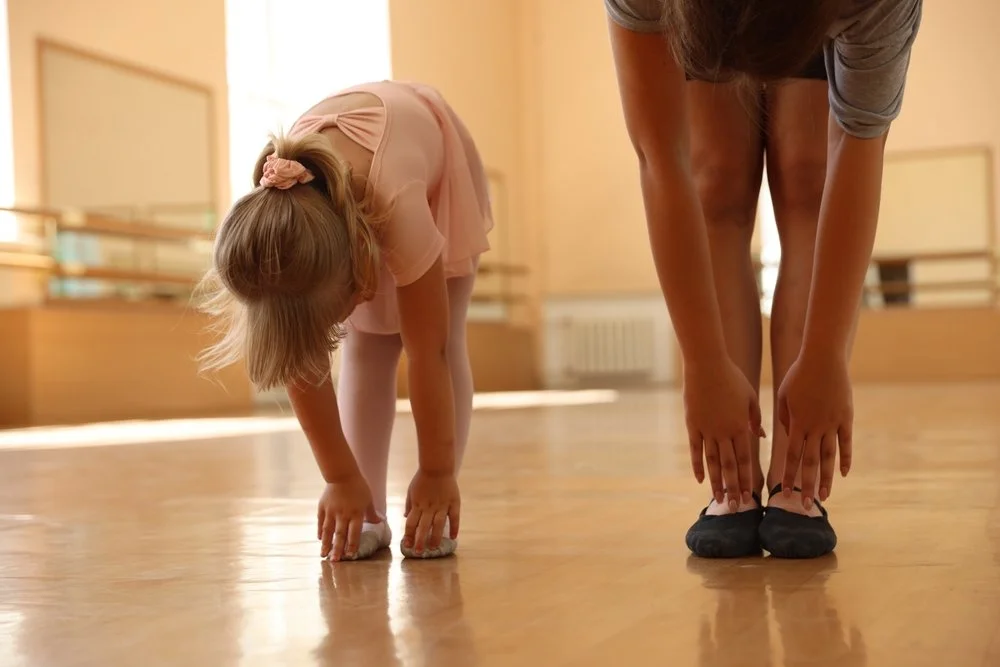
Ballet is often perceived as a graceful and artistic form of expression, captivating audiences with its poise, elegance, and emotion. Yet beneath the surface of every pirouette, plié, and arabesque lies an intensely physical discipline that demands rigorous training and dedication. While ballet is rooted in artistry, it also provides a powerful workout that targets the body in unique and transformative ways. Whether you’re an experienced performer or a beginner exploring a new dance class, ballet offers physical benefits that can elevate your strength and flexibility to new levels.
Ballet as a Full-Body Workout
One of the most compelling aspects of ballet is that it engages the entire body. Unlike many traditional fitness routines that isolate certain muscle groups, ballet incorporates head-to-toe movement that requires coordination, balance, and core control. Dancers develop long, lean muscles through repeated movement patterns that emphasize alignment, posture, and flow.
From the moment a dancer enters a class, their body is in motion, stretching through warm-ups at the barre, engaging the core during center work, and propelling across the floor with leaps and turns. Every aspect of ballet involves precise muscle activation. The arms must extend with intention, the legs move through their full range of motion, and the core remains engaged to maintain stability and balance. Even the feet and toes are not neglected; they are strengthened through pointe work and articulation in jumps and tendus.
What makes ballet especially effective is its demand for muscular endurance and control. Instead of relying on brute force, ballet challenges the body to execute controlled, sustained movements, fostering both strength and grace. The repetitive nature of sequences enhances muscle memory and endurance, while the variety of movement patterns prevents the plateau effect often seen in other forms of exercise.
How Ballet Builds Strength
When most people think of strength training, images of weightlifting and resistance workouts come to mind. However, ballet offers a different path to strength, one that emphasizes functional movement and muscular control. Ballet for strength is not about how much weight you can lift, but how well you can move your own body through space.
The foundation of ballet training begins at the barre, where dancers practice pliés, relevés, and battements. These movements target the glutes, thighs, and calves, building lower body strength without bulk. The continuous lifting and lowering of the heels in relevés, for example, strengthens the calves and ankles, enhancing balance and joint stability.
Core strength is another essential component of ballet. Nearly every movement in ballet relies on a strong center. The abdominal muscles work constantly to support the spine, maintain posture, and enable turns and balances. Even while standing still in ballet's signature turnout position, the core must remain activated to ensure correct alignment and prevent strain on the lower back.
Upper body strength also plays a critical role, especially in more advanced levels where dancers lift partners or execute complex port de bras (arm movements). Arms must remain elevated and controlled for extended periods, which builds endurance and muscular tone.
Perhaps most importantly, ballet strengthens muscles in a balanced way. Because dancers strive for symmetry and precision, they train both sides of the body equally. This balanced development reduces the risk of muscular imbalances, which can lead to injury in other sports or workouts.
Improving Flexibility Through Ballet
Flexibility is a hallmark of ballet, with dancers effortlessly extending their legs to the sky and bending into deep back arches. But this flexibility is not merely for show; it is essential for achieving the range of motion and fluidity that ballet demands.
Flexibility training in ballet begins with dynamic warm-ups that prepare the muscles for movement. Unlike static stretching, which can be counterproductive when done before exercise, ballet uses flowing movements like dégagés and rond de jambes to warm up the muscles while gradually increasing range of motion. This primes the body for deeper stretches and more complex movements later in the class.
Throughout a dance class, flexibility is continuously developed. Movements such as grand battements and développés challenge dancers to lengthen muscles while maintaining control. Over time, these movements help to elongate and strengthen the muscles simultaneously, resulting in a more supple and resilient body.
Ballet also emphasizes flexibility in the spine, hips, and shoulders, areas often neglected in other forms of fitness. Exercises like cambres (back bends) and arabesques promote spinal extension, while the turnout position improves hip mobility. Port de bras sequences open the chest and shoulders, counteracting the effects of poor posture and sedentary habits.
Importantly, ballet teaches safe stretching practices. Instructors guide students through proper technique, ensuring that flexibility is developed gradually and without strain. This reduces the risk of overstretching or injury, and promotes long-term mobility and joint health.
Injury Prevention and Body Awareness
Another physical benefit of ballet that is often overlooked is its ability to cultivate body awareness. Dancers must pay attention to every detail of their posture, alignment, and movement. This mindfulness helps develop proprioception, the body’s ability to sense its position in space.
This heightened body awareness has a protective effect against injuries. When you understand how to move with precision and control, you are less likely to fall into harmful movement patterns or overload specific joints. Ballet dancers learn to align their knees over their toes, distribute weight evenly through the feet, and engage the correct muscles during each exercise.
Injury prevention is also supported by the gradual progression of ballet training. Beginners are not expected to perform advanced leaps or pointe work immediately. Instead, they build a solid foundation of strength and flexibility, which prepares the body for more demanding movements over time.
Additionally, ballet places a strong emphasis on recovery and care. Cool-down stretches and relaxation techniques are commonly integrated into a dance class, helping to reduce muscle soreness and promote circulation. These habits contribute to overall physical well-being and longevity in any physical activity, not just ballet.
Ballet as a Lifelong Practice for Health
While many associate ballet with young performers, it is a form of exercise that can be practiced at any age. Adult ballet classes are growing in popularity, offering a welcoming space for individuals to explore movement, challenge their bodies, and experience the joy of dance.
One of the unique aspects of ballet is its ability to evolve with the practitioner. As physical capacity changes over time, ballet can be adapted to suit different needs. Movements can be modified for joint issues, balance challenges, or mobility limitations. At the same time, the fundamental benefits of ballet, improved strength, flexibility, coordination, and posture, remain accessible.
Furthermore, ballet offers mental and emotional benefits that complement its physical impact. The focus required in a dance class can serve as a form of moving meditation, reducing stress and enhancing mental clarity. The rhythmic flow of movement, combined with music and creative expression, creates a holistic experience that nurtures both body and mind.
For those seeking a form of exercise that delivers results without monotony, ballet offers a refreshing alternative. It combines physical discipline with artistic expression, making every class a full-body and soul-enriching experience. Whether you’re looking to tone your muscles, improve your posture, or simply move with more grace, ballet is a powerful tool for achieving your fitness goals.
Conclusion
Ballet is much more than an art form; it is a dynamic physical practice that builds strength, enhances flexibility, and promotes body awareness. Through consistent training, dancers develop a finely tuned body that is strong, supple, and resilient. The benefits extend beyond the studio, influencing posture, coordination, and overall physical well-being.
Whether you're attending your first dance class or returning to ballet after years away, the rewards are both immediate and long-lasting. Ballet for strength is not a myth; it is a proven, effective way to condition the body in a balanced and elegant manner. If you’re seeking a workout that engages your body and inspires your spirit, ballet may be the perfect next step on your fitness journey.
Need Top-Rated Dance Classes Near You?
We would love to welcome your child into our fun and encouraging community, so reach out to us today to learn more about our Twinkle Babies, Twinkle Stars, and youth dance programs, and let us help your dancer build confidence, strength, and self-expression as they discover the joy of movement at a Twinkle Star Method studio near you.
